Well Water Problems in Rural Alachua County
The short answer
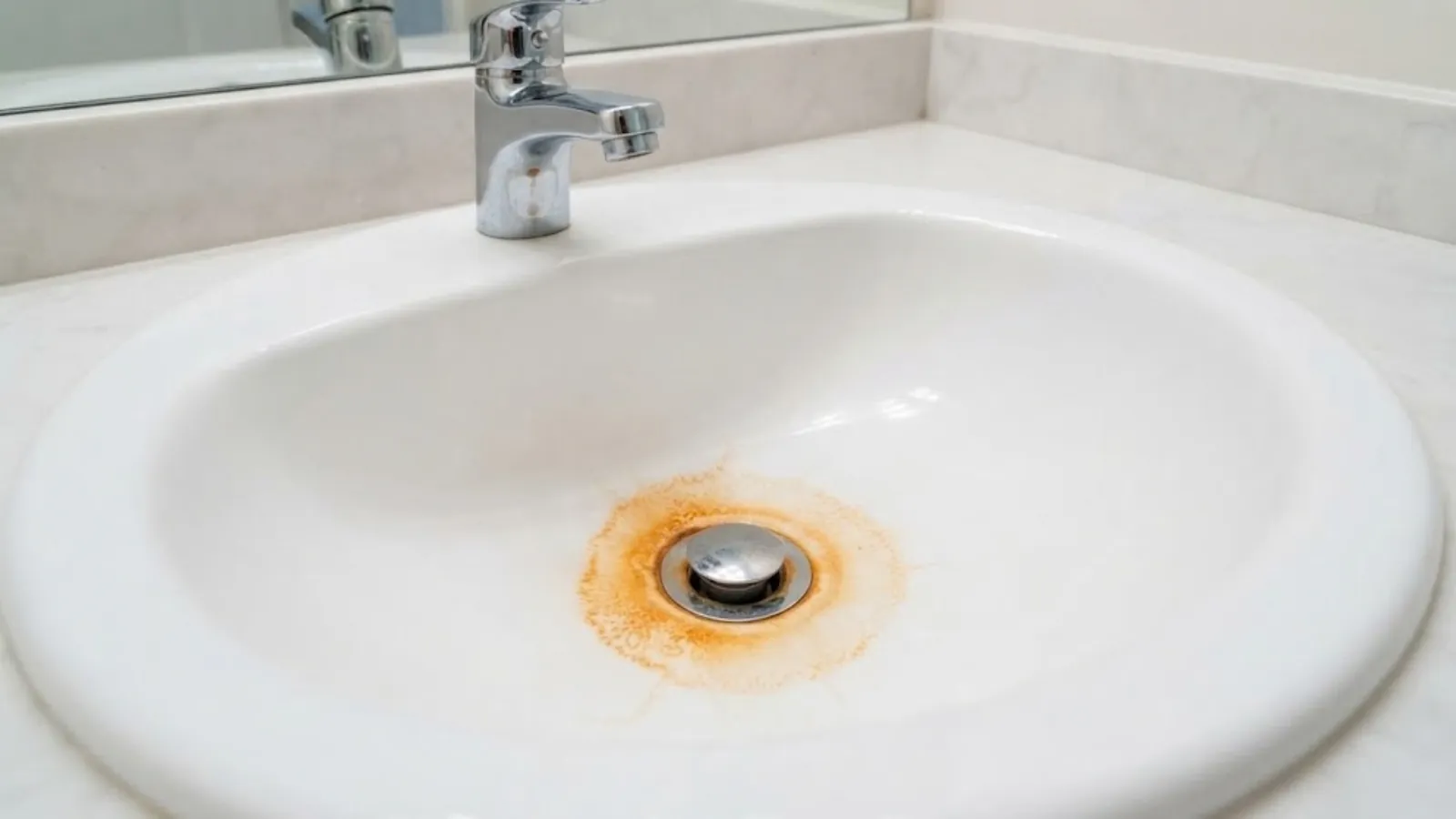
The most common well water problems here are hardness, iron that stains fixtures orange, a sulfur smell like rotten eggs, sediment, and pressure problems from the pump or tank. Bacteria and nitrate are the invisible ones, which is why the Florida Department of Health recommends testing a private well for both at least once a year.
Start with a test. It tells you which problems you actually have, and it's the only way to pick treatment that works the first time.
Why well water here behaves the way it does
Rural wells across Alachua County draw from the Floridan aquifer, the same limestone formation that supplies Gainesville. GRU treats its water at a central plant. A private well delivers it straight from the rock.
Limestone dissolves into groundwater, which makes well water hard, often harder than city water. The aquifer can also carry iron and hydrogen sulfide, the gas behind the sulfur smell. And because this is karst country, surface water can reach groundwater quickly after heavy rain or flooding, which is why bacteria testing matters more here than in some other places.
Owners are responsible for their own water quality. There's no utility testing it for you.
Symptom, cause and fix
| What you notice | Likely cause | Usual fix |
|---|---|---|
| White crust on fixtures, spotty glass. | Hardness from limestone. | Water softener. |
| Orange or brown stains in sinks and toilets. | Iron. | Iron filter, sometimes a softener for low levels. |
| Rotten-egg smell, worse with hot water. | Hydrogen sulfide, sometimes the water heater's anode. | Sulfur treatment, anode change. |
| Sand or grit in aerators. | Sediment, or a worn pump. | Sediment filter, pump check. |
| Pump clicks on and off constantly. | Waterlogged pressure tank. | Recharge or replace the tank. |
| No visible problem. | Bacteria or nitrate can still be present. | Annual lab test. |
How to test your well
The Florida Department of Health in Alachua County runs a microbiology water lab that tests drinking water samples, including from private wells. Private state-certified labs can test for more.
- Get sample bottles and instructions. The county health department's lab provides bottles for bacteria testing. Follow its collection instructions exactly.
- Collect correctly. The instructions typically call for removing the aerator, running the water at full flow first, then collecting from a pencil-thin stream.
- Test bacteria and nitrate yearly. That's the state's baseline recommendation for private wells.
- Add a mineral test before buying treatment. Hardness, iron, sulfur and pH decide which equipment you need.
- Retest after flooding or any well work. Floodwater and repairs are the two most common ways bacteria get in.
What to do if bacteria shows up
A positive bacteria result usually means disinfecting the well, often called shock chlorination, then retesting. The county health department publishes the procedure it follows, based on Florida's rules for correcting bacterial contamination in private wells.
If bacteria keeps coming back after disinfection, the cause may be structural: a cracked well cap, a damaged casing or surface water getting in. That needs a well contractor, not just more chlorine.
Treatment works best in the right order
Well treatment is a sequence. Sediment comes out first, so it doesn't clog anything downstream. Iron and sulfur treatment comes next, if the test calls for it. A softener comes after that, and a drinking-water filter at the kitchen tap sits at the end if you want one.
Buying a softener first, before testing, is a common and expensive mistake. A softener can handle small amounts of iron, but heavier iron fouls the resin, and it does nothing for a sulfur smell.
Sulfur smell that only shows up in hot water is often the water heater's anode rod reacting with the water, not the well. Swapping the anode type can fix it without any treatment equipment at all.
Buying a home with a well
A well home comes with a water system you're now responsible for. A few checks before closing tell you what you're taking on.
- Get a recent bacteria and nitrate test. Ideally one you arrange yourself, not just the seller's old result.
- Ask the age of the pump and pressure tank. Both are replaced on their own schedules, and an old pump is a budget item.
- Look at the well head. A sealed cap, a casing above ground and no pooling water around it are good signs.
- Ask what treatment is installed and when it was serviced. Softeners and filters that haven't been maintained may not be doing anything.
- Check the distance to the septic tank and drain field. Florida sets minimum separation distances.
Keeping the well itself healthy
- Keep the well cap sealed. Insects, rodents and surface water get in through damaged caps.
- Keep chemicals and fertilizer away from the well head. Especially on karst ground, where they reach groundwater fast.
- Watch the pressure tank. Rapid pump cycling burns out pumps early.
- Protect the pump from lightning. A surge protector on the pump circuit is inexpensive insurance.
- Keep the septic system well away and maintained. Florida sets minimum distances between wells and septic systems for a reason.
Getting the water right
If the problem is water quality, point-of-use water filtration covers sediment, iron and sulfur treatment, and a salt-based water softener handles hardness once those are dealt with.
If the problem is no water, low pressure or a pump that never stops, well pump repair comes first. Rural homes around Archer are a typical example of wells that need both kinds of attention.
Prefer to talk it through? Call (954) 697-4920, answered 24/7.
Well water questions
At least once a year for bacteria and nitrate, per the Florida Department of Health, and again after flooding or well repairs.
The Florida Department of Health in Alachua County has a microbiology water lab that tests drinking water. State-certified private labs can run broader tests.
Usually hydrogen sulfide from the aquifer, or a reaction with the water heater's anode rod. If it's only in hot water, suspect the anode first.
Hardness itself isn't a health risk. It's a plumbing and cleaning problem. Bacteria and nitrate are the health concerns.
Small amounts, sometimes. Heavier iron needs a dedicated iron filter ahead of the softener.
Don't assume it is. Use bottled water and have it tested for bacteria before drinking it again.
Yes. Test a new well before using it for drinking water, and again after any work on the well or pump.
According to: Florida Department of Health private well testing guidance (annual bacteria and nitrate testing) and the Florida Department of Health in Alachua County microbiology water lab, including its well disinfection procedure under Florida Administrative Code 64E-8.007.