Drain Cleaning and Unclogging in Gainesville, FL
Drain cleaning clears a blockage from a sink, tub, toilet or the main sewer line so water flows again. The quick fixes are cable machines and augers. The stubborn ones, like grease, roots and scale, sometimes need water jetting and a camera to see what's left.
A single slow sink can wait for a daytime visit. Sewage coming up in a tub cannot, so emergency drain cleaning runs 24/7 across Gainesville.
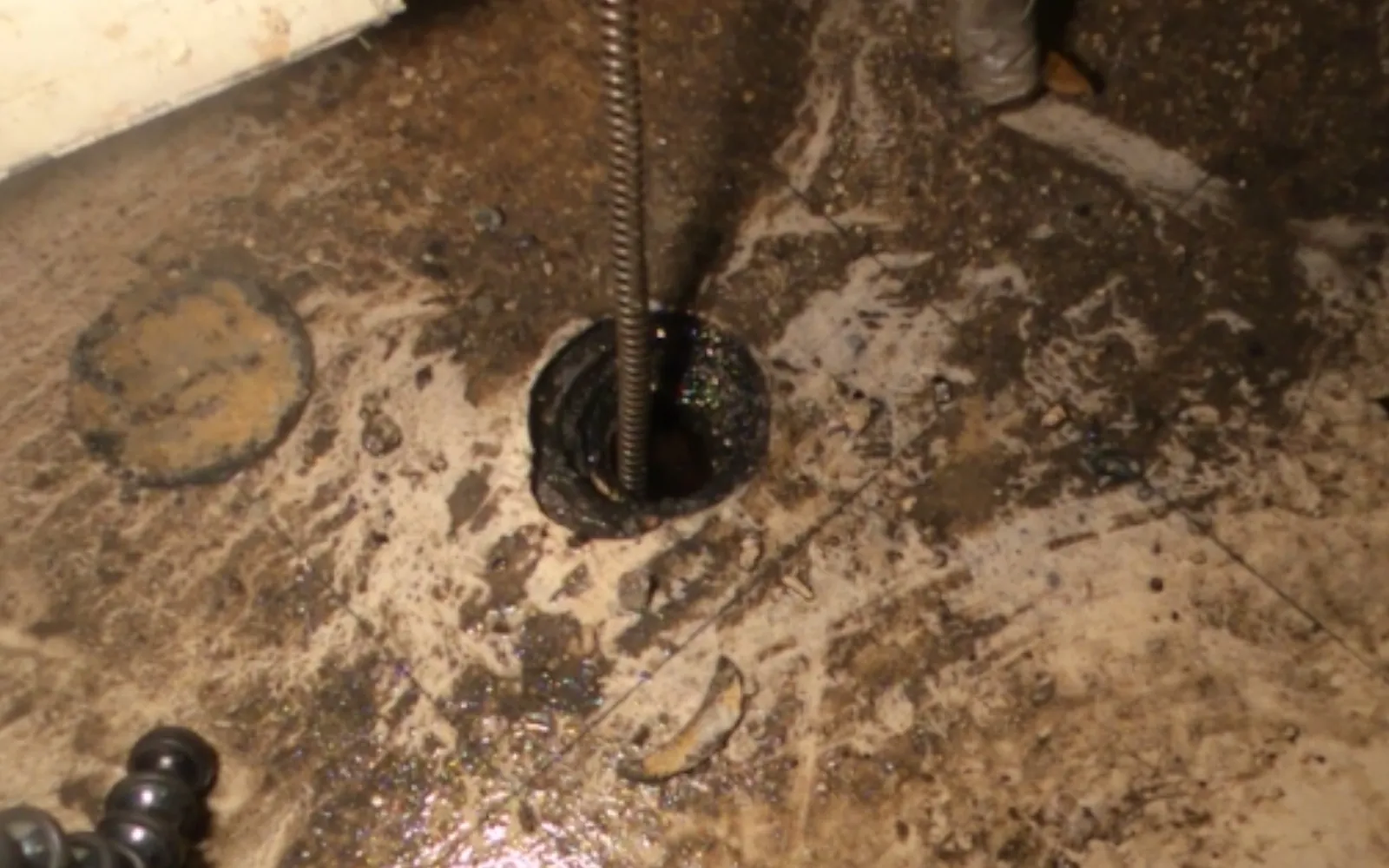
One slow drain or the whole house?
Where the water backs up tells you where the clog is. This is the first question we ask on the phone, because it decides which equipment comes on the truck.
| What you see | Where the clog usually is | Urgency |
|---|---|---|
| One sink or tub drains slowly. | In that fixture's trap or branch line. | Schedule it. |
| Kitchen sink backs up when the dishwasher runs. | Grease in the kitchen branch line. | Soon, before it spreads. |
| Toilet gurgles when the washer drains. | Partial blockage in the main line. | Within a day or two. |
| Water rises in the tub when you flush. | Main line is blocked downstream of both. | Same day. |
| Sewage coming out of a floor drain or shower. | Main line fully blocked. | Now. Stop using water and call. |
What clogs Gainesville drains
Kitchen grease is the most common cause citywide. It goes down warm and liquid, then cools and coats the pipe a little further along. Every meal adds another layer until the line closes.
In the older neighborhoods, roots are the bigger problem. Big oaks shade the streets of the Duckpond, Pleasant Street and University Heights, and their roots find the joints in old clay and cast iron sewer laterals. A root mass can fill a four-inch pipe and come back within months of a basic cabling.
Cast iron drains in pre-1970 homes also scale and rust on the inside. The rough surface catches paper and grease, so the pipe clogs more often even when nothing unusual goes down it.
How we clear the line
- Find the right access point. Most homes have a sewer cleanout outside, often a capped pipe near the foundation. Working from there keeps the mess out of the house.
- Cable the blockage. A drain machine sized to the pipe cuts through the clog and restores flow.
- Test with volume. We run water through several fixtures at once to be sure the line carries a full load, not just a trickle.
- Camera if it keeps coming back. A second clog in a short span usually means roots, a sag or a break. A professional sewer camera inspection shows which.
Grease and roots often need more than a cable. Full-bore hydro jetting scours the pipe wall clean, so the line stays open longer.
Your line or the utility's?
If your neighbors are backing up at the same time you are, the problem may be in the public sewer main, not your pipe. In that case, call GRU first. It costs you nothing to check.
If it is only your house, the blockage is almost always in your own lateral, the pipe between the house and the utility connection. Clearing that line is plumbing work. If the camera shows a crack or a collapsed section there, sewer line repair is the next step.
While you wait for the truck
- Stop running water everywhere. No flushing, showers, laundry or dishwasher until the line is clear.
- Don't pour chemical drain cleaner into a full backup. It rarely clears a main line, and it makes the water dangerous for whoever opens the pipe.
- Move towels and rugs from around floor drains and tubs. That is where sewage shows up first.
- Find the outdoor cleanout if you can. Pointing us to it saves time. Leave the cap on if water is pushing against it.
What changes the price of drain cleaning
- Which line. A bathroom sink trap costs far less than a main line cleared from the roof vent.
- Access. A clear outdoor cleanout is quicker than pulling a toilet to reach the line.
- What's in the pipe. Roots and hardened grease take longer than a soft clog.
- Camera or jetting. Added only if the line needs it, and quoted first.
- Time of call. Night and holiday rates, if they apply, are quoted before dispatch.
Want your real number? Call (954) 697-4920. Estimates for non-emergency drain work are free.
Drains on septic outside the city
Not every backup is a clog. On homes with a septic tank, a full tank or a failing drain field backs up the same way a blocked main does. That is common on rural lots around High Springs and the rest of the county's unsewered areas.
If the tank has not been pumped in years, cabling the line only buys a few days. Routine septic service deals with the actual cause.
Clog behavior and cleanout access follow standard drainage practice under the Florida Building Code, Plumbing, based on the International Plumbing Code (IPC).
Drain cleaning questions
Yes. Sewage backups are one of the main reasons the line is answered 24/7. Stop using water, then call, and we will tell you what to expect before dispatch.
Almost always grease and food waste building up in the branch line. A cable opens a channel, but the coating on the pipe wall stays. Jetting removes it, and scraping plates into the trash keeps it from coming back.
It can damage older pipe and rarely clears a real clog in a main line. It also makes the job hazardous for anyone who opens the drain afterward. A plunger or a hand auger is safer for a single slow sink.
There is no fixed schedule. Homes with clay or cast iron laterals under big oaks often do well with a camera check every couple of years, and cleaning when roots start showing up.
Most homes built in the last several decades do. Look for a capped pipe, usually three or four inches wide, near the foundation on the side facing the street. Older homes sometimes have none, and adding one makes every future clog cheaper to clear.
Yes. A camera run through the line shows roots, breaks and sags, and marks their depth and distance from the house, all without digging.
Usually a dry trap. Every drain holds a little water that blocks sewer gas, and a rarely used shower, tub or floor drain can dry out. Run water in each one for a minute. If the smell stays, a vent or a drain connection may be the problem, and that needs a closer look.
Yes. In a rental, a main-line clog affects every fixture, so it's usually the owner's call. We clear it, tell you whether roots or a break caused it, and send the findings with the invoice.