Repiping and Whole-Home Pipe Replacement in Gainesville, FL
Repiping means replacing a home's water supply lines, usually all of them, with new pipe run from the main shutoff to every fixture. In Gainesville it tends to come up in two kinds of houses: pre-1950 homes in the historic districts still on galvanized steel, and homes built from the late 1970s into the 1990s that were plumbed with polybutylene.
A repipe is planned work, not an emergency. But the call that starts it often is one, so the phone is answered 24/7 for the leak that finally made the decision.
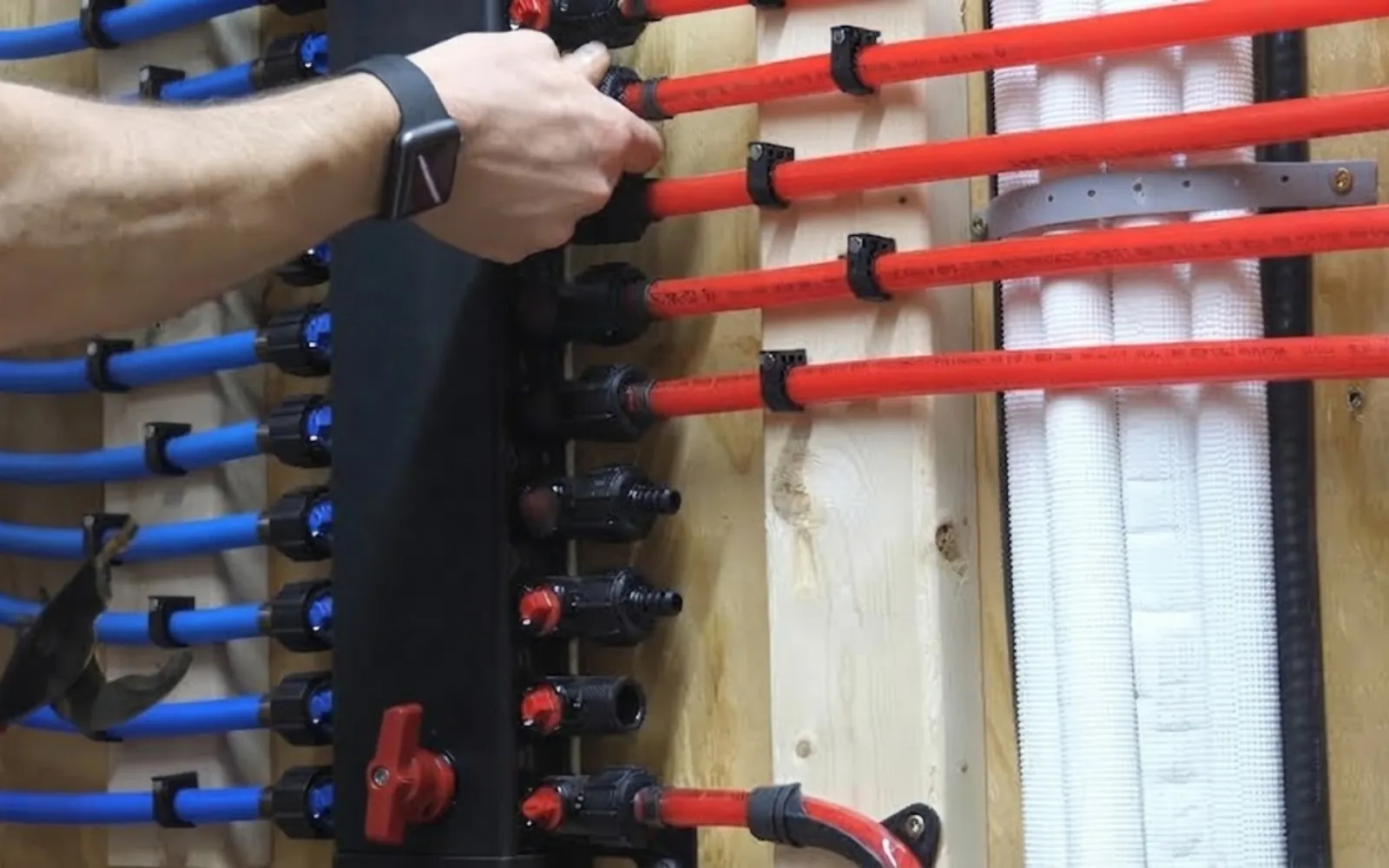
Signs your Gainesville home is due for new pipe
One of these on its own is a repair. Two or three together, in a house of the right age, usually point to replacement.
- Rusty or brown water after the house sits. Galvanized pipe corrodes from the inside and sheds rust into the first gallons.
- Pressure that keeps dropping. Scale and rust narrow galvanized pipe until a shower barely runs.
- Gray plastic pipe stamped PB. Polybutylene, installed widely in Florida into the mid-1990s, fails at fittings with little warning.
- Pinhole leaks in copper, more than once. Repeat pinholes mean the pipe wall is thinning along its whole length.
- An insurer asking about your pipe. Some Florida carriers limit or decline coverage on homes with polybutylene or galvanized supply lines.
The two housing eras that drive repipes here
Gainesville's historic districts hold a large share of the city's oldest homes. The Duckpond, Pleasant Street, the Southeast district and both University Heights districts include many houses built before 1950, when galvanized steel was the common supply pipe. After 70 years, most of that pipe is closing up inside.
The second group is newer. From the late 1970s through the mid-1990s, polybutylene was a cheap and popular choice in Florida construction. It reacts with the chlorine in treated water and tends to fail at the fittings, often without any warning drip first.
Hard water adds to both problems. GRU water runs about 8.2 grains per gallon, and that scale builds in every fitting and valve. A new system does not change the water, but it resets the clock on the pipe.
PEX, copper or CPVC: an honest comparison
Each material has a real place. The right one depends on the house, the budget and how long you plan to stay.
| Material | Strengths | Weak points | Where it fits |
|---|---|---|---|
| PEX. | Flexible, fewer fittings, fastest install, tolerates the occasional freeze better than rigid pipe. | Must be kept out of direct sunlight, and some insurers or buyers still prefer copper. | Most whole-home repipes, especially through finished walls. |
| Copper (Type L). | Long track record, rigid, recyclable, well understood by inspectors. | Highest material cost, more wall openings, can pinhole in some water conditions. | Owners who want metal pipe or are matching an existing copper system. |
| CPVC. | Lower cost, handles hot water. | Gets brittle with age and attic heat, glued joints. | Short repairs and budget jobs, rarely a full repipe choice today. |
For most Gainesville homes we recommend PEX, because it needs fewer wall openings to fish through and holds up well to hard water. If you want copper, we will price it side by side.
Repiping a historic Gainesville house
Older homes in the Duckpond and University Heights often have plaster walls, original trim and wood floors that owners want left alone. The pipe route gets planned to use closets, crawlspaces and the attic, so openings land where they are easiest to patch.
Many of these houses sit on raised foundations rather than slabs, which is good news. A crawlspace gives open access to most supply runs, and the job can move faster than in a slab house of the same size. We check the drain side while we are under there too, because cast iron and clay drains of that age often need attention of their own.
How a repipe runs, day by day
- Walkthrough and quote. We map every fixture, confirm the route and price the job with material options side by side.
- Permit. Work inside Gainesville city limits is permitted through the city's building department. Unincorporated addresses go through Alachua County, and towns like Alachua and Newberry use their own offices. The work is inspected against the Florida Building Code, Plumbing, which is based on the International Plumbing Code (IPC).
- New lines run. New pipe is run alongside the old so the house keeps water most of each day.
- Cutover and pressure test. Fixtures are switched to the new system and the whole thing is tested under pressure.
- Inspection and patching. The inspector signs off on the open work, then wall openings are closed.
Replacing the supply lines inside the house is different from replacing the line that feeds it. If the pipe from the meter is also old, we price water line replacement as a separate line item so you can decide on each.
Living in the house during a repipe
Most families stay home through the whole job. A little preparation makes it easier.
- Clear access to the attic and closets. The route runs through them, so shelves and boxes near access points need to move.
- Plan around the cutover day. Water is off for most of that day. Fill a few jugs and plan meals that do not need the kitchen sink.
- Cover furniture near wall openings. We protect floors and nearby furniture, but moving valuables first is the safest approach.
- Keep pets away from open walls. Openings stay open until the inspector signs off.
What moves the price of a repipe
- Number of fixtures. Each sink, toilet, shower and appliance hookup adds a run.
- Access. Crawlspace and attic access costs less than fishing pipe through a slab home's finished walls.
- Material. Copper costs more than PEX in both material and labor.
- Wall finish. Plaster and tile take more care to open and patch than drywall.
- Permit fees. They vary by jurisdiction and are listed on the quote.
Repiping is rarely covered by homeowners insurance, since it replaces aging pipe rather than repairing sudden damage. A new system can make a house easier to insure, though. Ask your agent before and after.
Want your real number? Call (954) 697-4920. Repipe estimates are free.
Is patching ever the better call?
Yes, sometimes. A single pinhole in otherwise healthy copper can be patched and forgotten. If acoustic leak detection finds one isolated failure, we will tell you that.
The math changes with a second or third leak in a short span, or with polybutylene anywhere in the system. At that point you are paying for repairs on pipe that will need replacing anyway. The same logic applies in Alachua and the other towns we serve.
A repipe is also a natural time to look at the water heater. If it is past ten years old, replacing the water heater during the cutover saves a second visit and a second shutdown.
Sources: Alachua County building permits (permit required to replace a plumbing system), Florida Building Code, Plumbing, based on the International Plumbing Code (IPC). Hardness per GRU.
Repiping questions from Gainesville homeowners
Usually not. New lines are run alongside the old ones, and the house is switched over near the end. Most homes have water every evening, with one longer shutdown on cutover day.
Look where the water line enters the house, near the water heater, or under sinks. Polybutylene is usually gray, sometimes blue or black, and is often stamped PB2110. If you are not sure, we can identify it on a walkthrough.
Yes. Replacing a plumbing system requires a permit. Inside city limits it goes through the City of Gainesville, and unincorporated areas go through Alachua County. The permit and inspection are part of the job.
Yes. The line is answered 24/7. We stop the water and make a temporary or permanent repair that night. The larger repipe conversation can happen once the house is dry.
In most cases, yes. New lines are rerouted through the attic and down the walls, abandoning the pipe in the slab. It means some drywall openings, but no jackhammering.
It removes a common inspection objection, especially polybutylene or galvanized pipe, which can stall a sale or an insurance quote. That usually matters more to buyers than any listed value bump.
Often, yes. Water stays on most evenings, and cutover day is scheduled with the tenants in advance. Some owners prefer to repipe between leases to avoid the disruption entirely.