Septic vs. Sewer in Alachua County: What Homeowners Should Know
The short answer
Most homes inside Gainesville are on GRU sewer, while many homes in rural Alachua County, and some in the smaller towns, still use septic tanks. Sewer means a monthly bill and no tank to maintain. Septic means no sewer bill but regular pumping, a drain field to protect, and a bigger bill if the system fails.
Several towns are actively moving homes from septic to sewer to protect the county's springs and groundwater, so the answer for your street may change in the next few years.
How to tell which one you have
- Check your utility bill. A wastewater or sewer charge usually means you're on sewer. GRU bills wastewater on your water use.
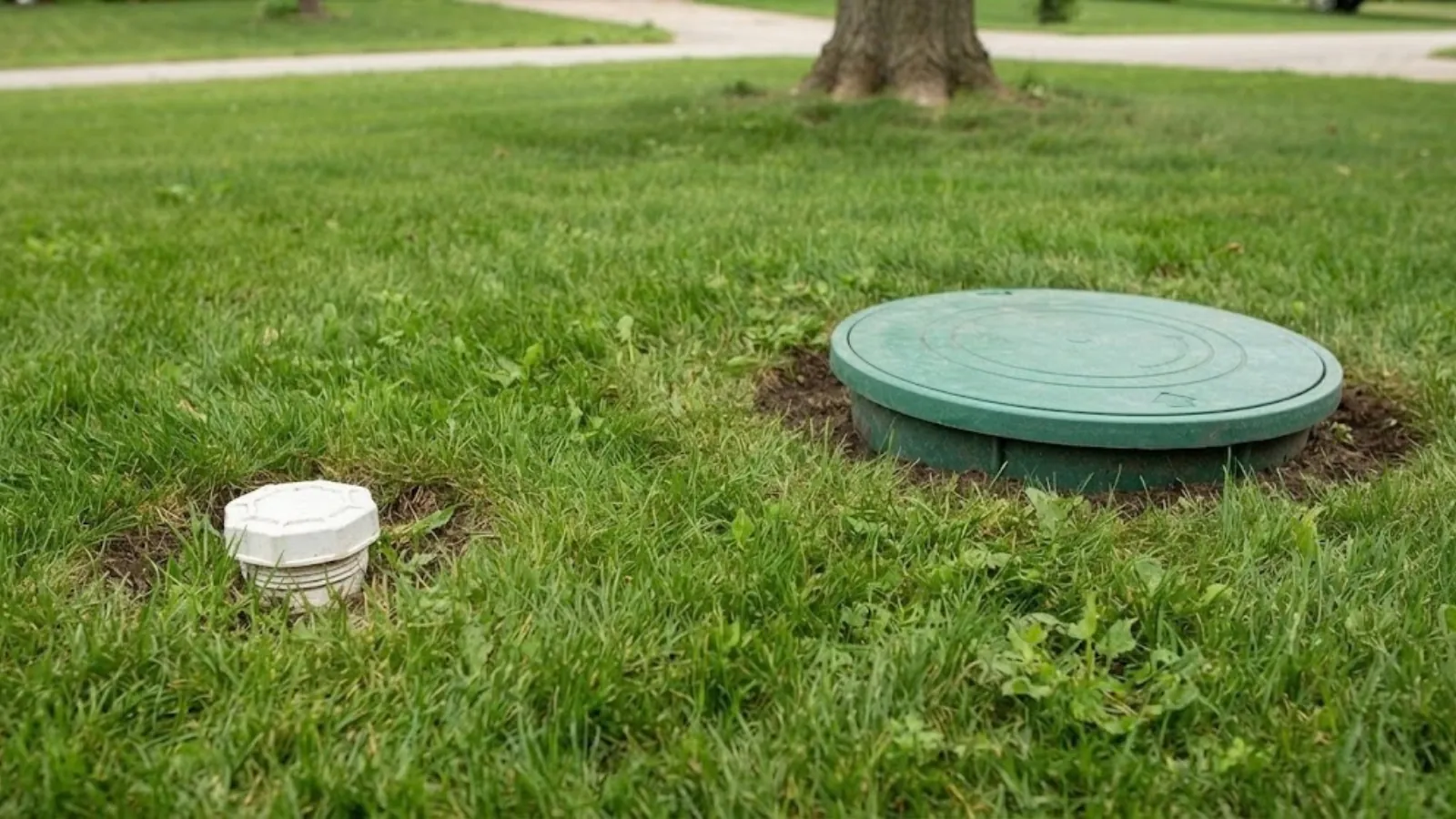
- Look for a septic lid or riser in the yard. Often a round or rectangular lid, or a slight rectangle in the lawn, usually on the side of the house with the main drain.
- Check your property records or purchase paperwork. Septic systems are permitted, and inspection reports often come with a sale.
- Ask a neighbor. Streets are usually all one or the other.
Septic and sewer compared
| Factor | Public sewer | Septic system |
|---|---|---|
| Monthly cost. | A wastewater charge on your utility bill. | None, but pumping every few years. |
| Maintenance. | Your lateral, from the house to the connection. | The tank, the drain field and the line to the tank. |
| Biggest risk. | Lateral clogs, roots, breaks. | Drain field failure. |
| What not to flush. | Wipes, grease, objects. | The same, plus heavy disposal use and anything that kills bacteria. |
| Environmental impact. | Treated at a central plant. | Adds nitrogen to groundwater, a concern near springs. |
Why towns here are moving from septic to sewer
Alachua County sits on karst limestone, and much of it drains toward springs and rivers. Nitrogen from septic systems moves into that groundwater quickly. That's the main reason local governments are pushing sewer expansion.
High Springs is the clearest example. For years most residents there used septic. The city has been converting homes to sewer in stages with help from the Suwannee River Water Management District, reaching roughly 1,700 sewer connections by 2021 with a goal of serving all 2,800. Newberry is building a regional wastewater plant meant to take about 600 septic tanks in neighboring communities offline.
Hawthorne already requires homes within 200 feet of a sewer line to connect. Rules vary by town, so if sewer is coming to your street, check the local connection requirements and fees.
If you're on septic: keeping it healthy
- Pump on schedule. EPA guidance is typically every three to five years for a household system.
- Protect the drain field. No parking, sheds, pools or new trees on it.
- Fix running toilets and leaks fast. Extra water floods the drain field.
- Go easy on the garbage disposal. It adds solids that fill the tank faster.
- Keep wipes and grease out. Even wipes labeled flushable don't break down in a tank.
What connecting to sewer actually involves
When sewer reaches a property, the plumbing side of the switch is a new line from the house to the sewer connection point, and the old septic tank pumped out and properly abandoned. The town sets the connection fees and rules, and the plumbing work is permitted.
A camera inspection of the existing house drain before connecting is worth it. An old line that worked fine into a septic tank can have roots or breaks that become obvious once it's tied into a sewer.
Buying a home on septic
Many homes for sale around the county's rural areas and smaller towns are on septic. A few checks before closing save a lot of trouble later.
- Ask when the tank was last pumped. And ask for the receipt if there is one.
- Get a septic inspection. It looks at the tank, the baffles and the drain field, not just whether the toilets flush.
- Find out if sewer is planned. A connection requirement in the next few years changes the math.
- Check where the well is, if there is one. Florida sets minimum distances between wells and septic systems.
- Look at the drain field area. Soggy ground, odors or structures built over it are red flags.
Signs either system is struggling
On sewer, a single slow drain is usually a local clog, while gurgling toilets and backups in the tub point to the lateral. On septic, the same symptoms can mean a full tank or a failing drain field, especially if the lawn over the field is soggy or smells.
After heavy rain, both systems can show it. Saturated ground slows drain fields, and groundwater can seep into cracked sewer laterals.
Getting help with either system
For tank pumping, backups and the line from the house to the tank, see septic service. When a sewer connection is coming, sewer line replacement covers running the new line, and a camera inspection checks the old one first.
The septic-to-sewer shift is furthest along in High Springs, where the springs make it a priority.
Prefer to talk it through? Call (954) 697-4920, answered 24/7.
Septic and sewer questions
Month to month, usually yes. Over time, pumping and eventual drain field repair can close the gap.
It depends on the town. Hawthorne, for example, requires connection within 200 feet of a sewer line. Check your local rules.
Typically every three to five years for a household, per EPA guidance, more often for larger households or smaller tanks.
It can if they're too close or the system fails. Florida sets minimum distances between them, and a bacteria test on the well is a good habit.
Septic systems in Florida are overseen by the Department of Environmental Protection.
It varies with soil, use and maintenance. Regular pumping keeps solids out of the field, which is the biggest factor in how long it lasts.
It's pumped out and properly abandoned, usually by crushing or filling it, following local rules.
Yes, with moderation. It adds solids to the tank, so plan on pumping more often.
Saturated ground slows the drain field, and odors can escape until it dries out. A persistent smell is worth an inspection.
Yes. It checks the tank, baffles and drain field, which a standard home inspection usually doesn't cover in depth.
According to: Mainstreet Daily News reporting on High Springs sewer conversion (2021), City of Newberry regional wastewater plant announcement, City of Hawthorne wastewater division, EPA septic maintenance guidance, and Florida DEP septic program oversight.