Why Is My GRU Water Bill So High?
The short answer
Most high GRU water bills come from one of four things: more irrigation, a rate change, a hidden leak, or the way wastewater is billed. GRU charges wastewater on the water that passes through your meter each month, up to a 12,000-gallon cap, so any extra water you use, or lose to a leak, raises both lines of the bill.
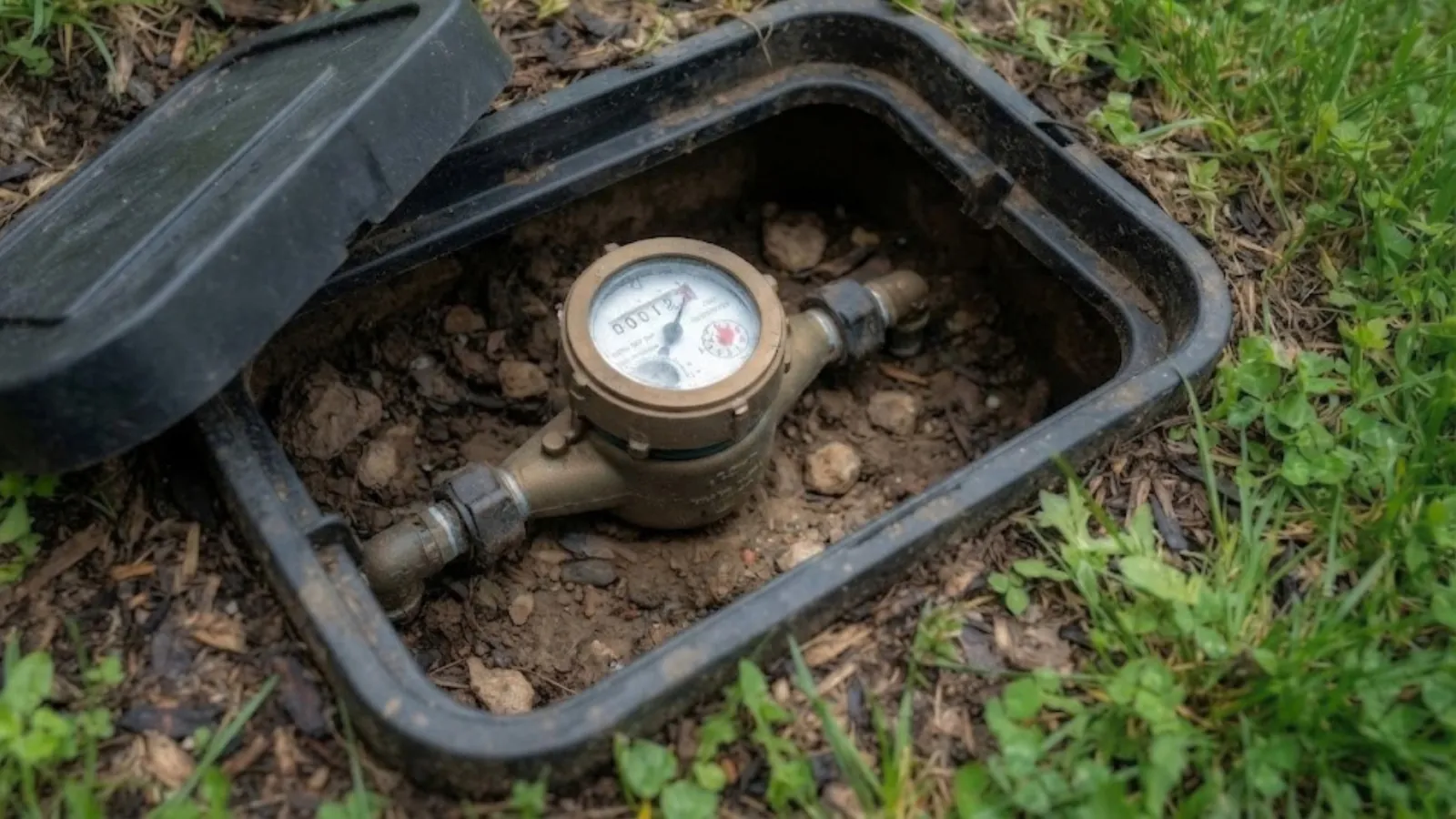
The fastest way to tell a leak from normal use is a ten-minute meter test, explained below. If the meter moves with every fixture off, water is escaping somewhere.
How GRU calculates the water part of your bill
A GRU bill combines several services, but the water and wastewater lines are the ones that move with your usage. Water is charged on metered gallons. Wastewater has no meter of its own, so GRU bills it on your monthly water use, with a cap at 12,000 gallons. GRU switched to that method in 2021, replacing the older winter-maximum approach.
GRU noted at the time that customers who irrigate often may see a higher wastewater charge. Water that goes on the lawn never reaches the sewer, but it still counts toward the wastewater line unless you have a separate irrigation meter.
That's the single most important thing to understand about a high bill here. A leak that dumps clean water into the ground, or a sprinkler zone stuck on, is paid for twice, once as water and once as wastewater.
The usual suspects behind a high bill
| Cause | How to spot it | What to do |
|---|---|---|
| Summer irrigation. | Bill climbs in the dry months, meter is still with everything off. | Check the controller schedule and zone run times. |
| Rate change. | Usage in gallons is flat, but the dollar amount rose. | Compare gallons, not dollars, month to month. |
| Running toilet. | Hissing tank, or the toilet refills on its own. | Replace the flapper or fill valve. |
| Irrigation leak. | Soggy patch or a zone that won't shut off. | Test each zone, repair the line or valve. |
| Hidden supply leak. | Meter moves with every fixture off. | Leak detection. |
| Houseguests or a new household member. | Higher use that matches a real change at home. | Nothing to fix. |
Rates do change. The GRU Authority approved increases of 2 percent for water and 1.75 percent for wastewater for the fiscal year that starts October 1, 2026. That's small compared with most leak spikes, but it's worth knowing before you go hunting for a problem.
The ten-minute meter test
This is the same first step a plumber takes, and it costs nothing. Do it when nobody needs water for a few minutes.
- Turn everything off. Every faucet, the dishwasher, the washer, the ice maker line and the irrigation controller.
- Open the meter box. It's usually near the street or sidewalk. Watch for insects and snakes when you lift the lid.
- Watch the low-flow indicator. Most meters have a small dial or triangle that spins with even a trickle.
- Wait ten minutes and check again. Note the main reading before and after if there's no low-flow dial.
- Close the house shutoff and repeat. If the dial stops, the leak is inside the house. If it keeps moving, it's in the buried line between the meter and the house.
If nothing moves, your higher bill is usage, not a leak. Look at irrigation first, since it's the biggest water user in most Gainesville yards.
What you can check yourself before calling anyone
- Toilets. Add a few drops of food coloring to each tank. If color shows up in the bowl within 15 minutes without flushing, the flapper is leaking.
- Irrigation. Run each zone and walk it. A geyser, a soggy patch or a head that never stops points to the problem.
- Outdoor spigots and hoses. A dripping hose bib or a hose left slightly open adds up over a month.
- The water heater relief line. A pipe that drips steadily outdoors means the relief valve is discharging.
- Water softener. A unit stuck in regeneration can send water to the drain for hours.
If the meter says it's a leak
A leak you can't see usually lives in one of three places in a Gainesville home: under the slab, in the attic supply lines of a newer house, or in the buried line in the yard. Each needs a different approach, and guessing is expensive.
If your house test pointed inside, professional leak detection uses pressure tests, listening equipment and thermal imaging to find the spot before anything is opened. If the dial kept moving with the house shut off, the buried line is the likely culprit, and water service line repair covers that stretch from the meter to the house.
A warm spot on a tile floor, or a hissing sound at night, points under the slab. That's a job for under-slab slab leak repair, which starts with locating the leak electronically.
Getting some of the money back
GRU offers courtesy leak adjustments on the water and wastewater portion of a bill when a leak is verified and the repair is documented. The adjustment is applied only after the leak is fixed and usage returns to normal.
So keep three things together: a photo of the moving meter before the repair, the written leak findings, and the repair invoice with the date and address. Submit the request once your next bill shows normal usage. Adjustments are at GRU's discretion, so approval isn't certain, but a clean paper trail gives you the best chance.
Homes outside GRU
If you live in Alachua, Newberry, High Springs, Archer or Hawthorne, your water may come from a city utility other than GRU, or from a private well. The meter test works the same way on any city meter. On a well, there's no water bill to warn you, so a pump that runs more often than it should is the clue instead. Homes in Newberry with large irrigated lots see the same summer spikes described above.
When to call a plumber about a high bill
Call if the meter moves with everything off, if you can hear running water at night, or if a toilet or zone won't stop running after you've tried the simple fixes. Every day a leak runs on GRU water, you pay for it twice.
Prefer to talk it through? Call (954) 697-4920, answered 24/7.
High water bill questions
GRU bills wastewater on your metered water use, up to a 12,000-gallon monthly cap. Irrigation water counts unless it runs through a separate irrigation meter.
GRU can confirm your usage and check its meter. Finding a leak on your side of the meter, in the yard line or the house, is the owner's responsibility.
GRU offers courtesy leak adjustments for verified leaks with documented repairs, applied after usage returns to normal. It's not automatic, so keep your paperwork.
It varies with the leak, from a slow drip to a constant flow. A fully running toilet can send hundreds of gallons a day down the drain, which is why it's the first thing to check.
A big summer jump is common in homes with irrigation. If the meter is still with everything off, it's usage. If it moves, it's a leak.
According to: GRU wastewater rate change notice (billing on monthly water use with a 12,000-gallon cap), GRU leak adjustment guidelines, and WCJB reporting on rate increases for the fiscal year beginning October 1, 2026.