Hurricane Season Plumbing Prep for Gainesville Homes
The short answer
For Gainesville homes, the plumbing risks in a hurricane or tropical storm are sewer backups when the ground and sewer lines are overloaded, flood damage to water heaters and equipment, and contaminated wells and overwhelmed septic systems in rural areas. Most of that can be reduced with a few checks before the season and the right steps afterward.
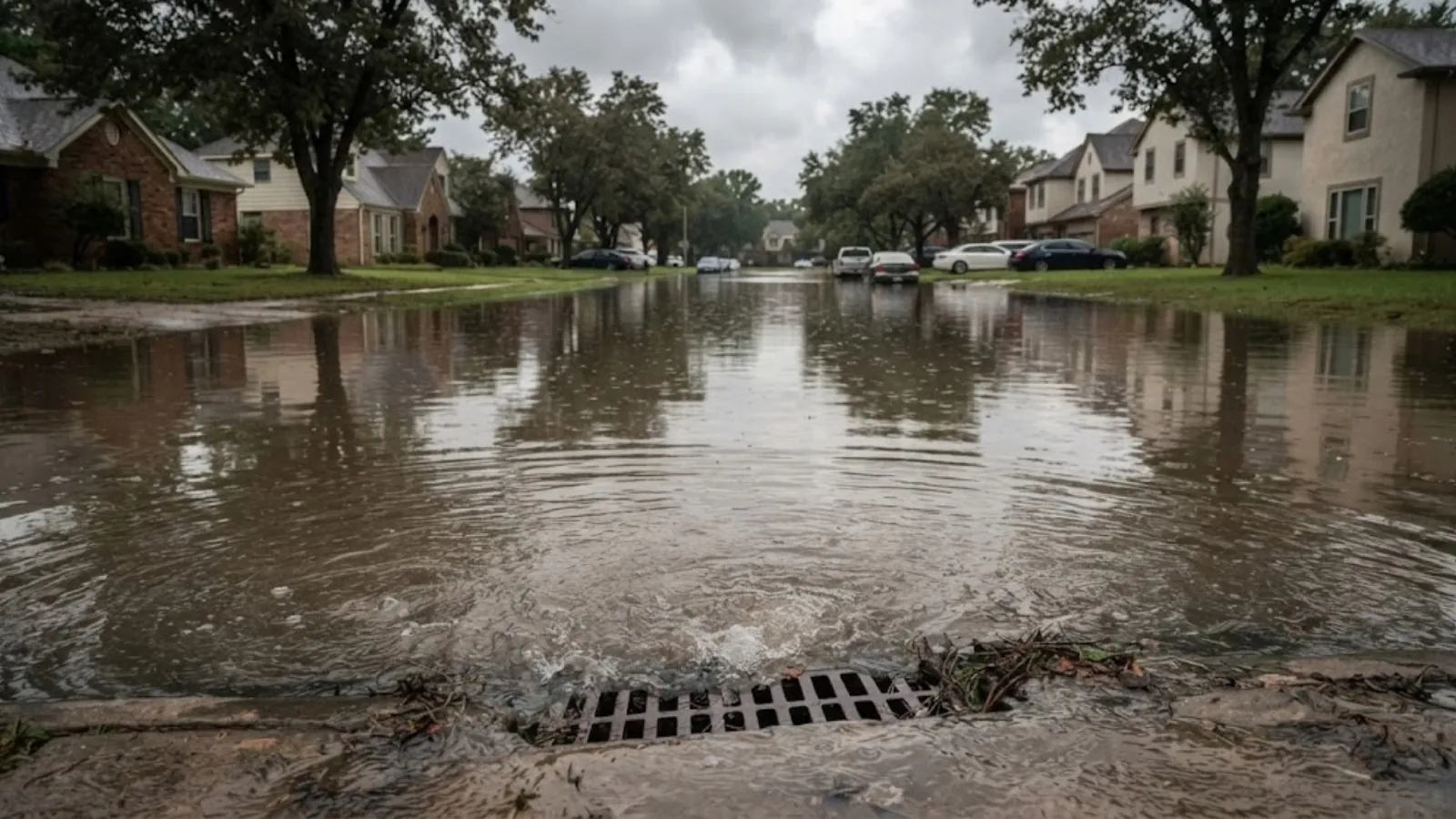
Inland Gainesville doesn't face storm surge, but heavy rain is real. When Hurricane Irma came through in September 2017, homes near Hogtown Creek and elsewhere flooded, and nearby Alachua's city wells were contaminated for a week.
What storms actually do to plumbing here
Gainesville's flood risk concentrates along its creeks, Hogtown Creek on the west side and Sweetwater Branch on the east, with smaller clusters elsewhere. During Irma, a rental on NW 34th Street took nearly four feet of water inside.
For plumbing, the bigger and more widespread problem is saturation. Days of rain soak the ground, and water seeps into cracked sewer laterals and overloads the lines. That's when toilets gurgle and floor drains back up, even in homes that never flood.
Power outages add their own issues. Homes on private wells lose water entirely when the pump loses power, and some lift stations and treatment systems can be stressed after long outages.
Before the season starts
- Clear a slow main line now. A partly clogged or root-filled lateral is the one that backs up first when the ground is saturated.
- Find your outdoor sewer cleanout and main water shutoff. You don't want to be searching for them in the rain.
- Check the cleanout cap. A cracked or missing cap lets rain and debris into the sewer line.
- Ask about a backwater valve if your home sits low. It lets sewage flow out but not back in. It's most useful for low-lying homes and fixtures near grade.
- Plan for water without power if you're on a well. Store drinking water, or plan a safe generator hookup for the pump.
- Pump the septic tank if it's due. Do it before the season, not after the ground is saturated.
When a storm is on the way
- Fill containers with drinking water. City systems can issue boil notices after outages or main breaks.
- Fill a bathtub for flushing. Useful if water service or a well pump goes down.
- Turn off irrigation. The ground will get all the water it needs.
- Move valuables off the floor near floor drains and tubs. That's where a backup shows up first.
- If you evacuate, shut off the main water valve. It limits damage if a pipe breaks while you're gone.
After the storm: what to check
| Check | Warning sign | What to do |
|---|---|---|
| Drains and toilets. | Gurgling, slow drains, sewage in a tub or floor drain. | Stop using water and get the line cleared. |
| Water heater. | It sat in floodwater. | Don't use it. Flooded gas and electric controls need replacement or inspection. |
| Private well. | Floodwater over the well head, cloudy water. | Use bottled water and test for bacteria. |
| Septic system. | Slow drains, soggy drain field. | Use as little water as possible until the ground dries. |
| City water. | Boil notice, cloudy or low-pressure water. | Follow the notice and run cold taps to clear air and sediment afterward. |
Generators and well pumps
A portable generator can keep a well pump running during a long outage, but only if it's connected safely. Backfeeding a generator into a house panel without a proper transfer switch or interlock is dangerous for you and for utility line crews. Have an electrician set up the connection before storm season, and size the generator for the pump's starting load, which is higher than its running load.
Never run a generator indoors, in a garage or near windows.
Flood damage and water damage are not the same claim
Standard homeowners policies generally cover sudden water damage from inside the house, like a burst pipe. Rising floodwater from outside is usually excluded and needs a separate flood policy. Sewer backups are often a third category, covered only by an endorsement on some policies.
Check which of the three your policy covers before the season starts, not after the first storm.
Septic systems after flooding
EPA guidance for flooded septic systems is counterintuitive: don't rush to pump a tank while the ground is still saturated. An emptied tank in waterlogged soil can shift or float out of place.
Instead, use as little water as possible until the drain field dries out, then have the system checked. Signs it needs attention include lingering slow drains, odors and wet spots over the field weeks after the storm.
Water heaters and flooding
If floodwater reached the burner, gas valve, thermostat or electrical controls of a water heater, don't turn it back on. Floodwater damages controls and can create gas or electrical hazards even after it drains away.
A flooded heater usually needs to be inspected and, in most cases, replaced. The same goes for flooded well pumps and pressure switches.
Getting help after a storm
For backups, mechanical drain cleaning clears the line, and main sewer line repair fixes the crack that let groundwater in. Soaked floors and walls are a different job, handled by water damage restoration on its own line.
Irma's floodwater also ran through the Turkey Creek area of Alachua, a reminder that the towns around Gainesville face the same risks.
Prefer to talk it through? Call (954) 697-4920, answered 24/7.
Hurricane plumbing questions
Rain can overload sewer lines and push air back through the plumbing. If it happens every big storm, the lateral may have cracks letting groundwater in.
Yes. Closing the main valve limits damage if a pipe breaks while you're away.
On city water, follow any boil notice. On a private well that flooded, don't drink it until it's tested for bacteria.
No. Have it inspected first. Flooded controls usually mean replacement.
A valve on the sewer line that lets wastewater leave the house but closes if sewage tries to flow back in.
Often only with a specific backup endorsement. Check your policy before storm season.
If you're evacuating, turning it off along with the main water valve is sensible. If you're staying, leave it on unless flooding threatens it, and don't restart it after it has been in floodwater.
Stop using water, keep people and pets away from it, and call. Sewage-contaminated materials usually have to be removed, not dried.
According to: WUFT coverage of Hurricane Irma in Gainesville (2017), Mainstreet Daily News reporting on Alachua's water system after Irma, a Gainesville flood-risk profile (Hogtown Creek and Sweetwater Branch), and EPA guidance on septic systems after flooding.