Gas Line Installation and Repair in Gainesville, FL
Gas line work covers the pipe that carries natural gas or propane from the meter or tank to your appliances. That includes repairing leaks, running new lines for a range, dryer, water heater or generator, and replacing old or undersized piping.
If you smell gas right now, leave the house and call 911 and your gas provider from outside first. Once the supply is safe, our line is answered 24/7 for the repair.
If you smell gas, do this in order
- Get everyone out. Leave doors open behind you if it's quick to do so. Don't stop to gather belongings.
- Don't create a spark. No light switches, no appliances, no phone calls until you're outside and away from the house.
- Call 911 and your gas provider from outside. GRU for natural gas inside its service area, or your propane company for a tank.
- Wait for the all-clear. The utility or fire department will shut off and check the supply before anyone goes back in.
- Then schedule the repair. Once the gas is off and the area is safe, a plumber can find and fix the leaking pipe or fitting.
Natural gas and propane both carry an added odorant that smells like rotten eggs or sulfur. Take that smell seriously even if it's faint.
Natural gas and propane in the Gainesville area
GRU supplies natural gas across much of Gainesville, alongside its electric and water service. Homes inside that service area can run gas ranges, dryers, water heaters and furnaces from a GRU meter.
Outside the gas service area, many rural homes use propane from a tank on the property. The piping inside the house works much the same, but appliances need to be set up for the right fuel, and the regulator and tank connection belong to the propane supplier.
Switching an electric appliance to gas is a common reason for a new line. GRU offers rebates on some conversions, with conditions, including for a natural gas water heater. Check the current terms with GRU before you commit.
Common gas line jobs
| Job | What it involves | Typical time |
|---|---|---|
| New range or dryer line. | Run a new branch from the existing supply, add a shutoff and connector. | A few hours. |
| Gas water heater or tankless. | Size and run a line for the appliance's full demand. | Half a day to a day. |
| Outdoor grill, fire pit or pool heater. | Run and protect a line outside to the appliance. | A day. |
| Standby generator. | A line sized for the generator's load, often a larger pipe. | A day or more. |
| Leak repair. | Locate the leak, replace the fitting or section, retest. | A few hours. |
Why gas line size matters
Every gas appliance needs a certain volume of gas to run properly. When a new appliance is added to an old line, the line can come up short when several appliances run together. A tankless water heater is the most common culprit. It demands a lot of gas at once, and on an undersized line it throws ignition errors that look like a faulty heater.
That's why we size lines by adding up the appliances on them and the length of the run, using the standard sizing tables in the fuel gas code. If a tankless unit keeps faulting, tankless water heater service and a gas supply check often go together.
How a gas line job is done safely
- Shut off and plan. The gas is shut off at the meter or tank, and the route and pipe size are planned.
- Run the pipe. Black iron, coated flexible gas tubing or other approved material, depending on the location.
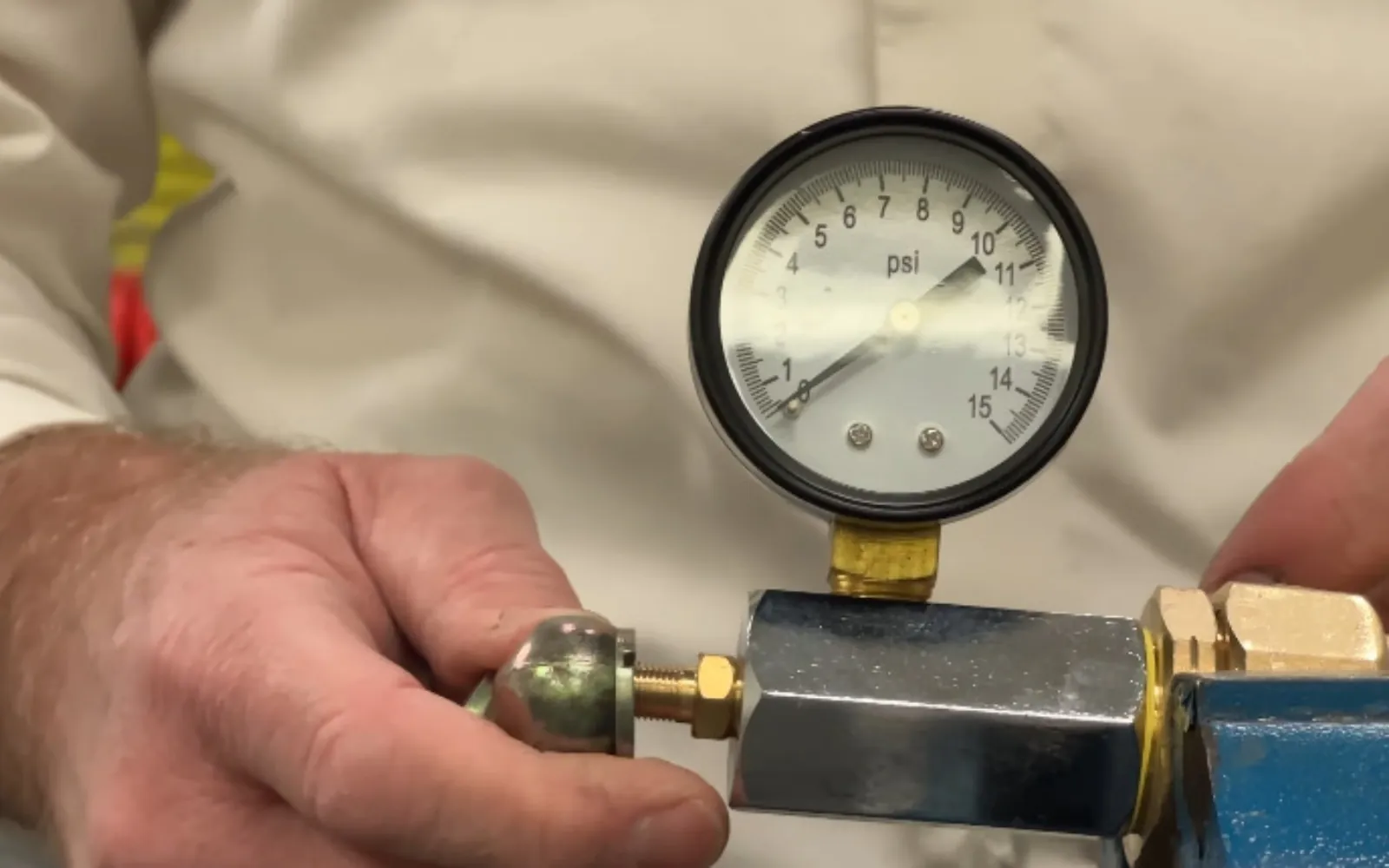
- Pressure test. The new or repaired line is tested under pressure and checked for any drop before gas is turned back on.
- Permit and inspection. New gas piping is permitted work in Gainesville and Alachua County.
- Restore and relight. Gas is restored, appliances are relit and every connection is checked for leaks.
What affects gas line pricing
- Length and route. A short run to a nearby range costs less than a line across the attic to a garage.
- Pipe size. Generators and tankless heaters need larger pipe.
- Indoor or outdoor. Outdoor lines need protection from damage and weather.
- Permit and inspection. Required for new piping.
Want your real number? Call (954) 697-4920. Estimates for new gas lines are free.
Gas work across the area
We run and repair gas lines across Gainesville and out to Newberry and the other towns we serve, on both natural gas and propane systems.
Gas work often comes with a larger project. A kitchen remodel may need a new range line, and a water heater replacement may be the moment to switch fuels. Commercial kitchens get the same attention through our commercial plumbing service.
Gas piping is sized and tested under the Florida Building Code, Fuel Gas, based on the International Fuel Gas Code (IFGC). Rebate terms per GRU's natural gas rebate program.
Gas line questions
No. Leave the house and call 911 and your gas provider from outside first. Once they've shut off and checked the supply, call us for the repair. Our line is answered 24/7.
Usually, yes. A new branch is run from the existing supply. We'll check that the line can handle both appliances running together.
Yes. New gas piping is permitted and inspected work in Gainesville and Alachua County.
Corrugated stainless steel tubing, a flexible gas pipe with a plastic coating. It's approved for gas piping when installed and bonded to the electrical system as the code and manufacturer require.
Many appliances can be converted with a manufacturer's kit. We'll confirm your model supports it and handle the line work.
A hissing sound near the line, dead vegetation over a buried line, or bubbles when soapy water is brushed on a fitting can all point to a leak. If you suspect one, treat it as a gas emergency.